Choosing the Right Fence for Your Charleston Tri-County Home
If you’ve spent any time outside in the Lowcountry, you already know the climate here doesn’t do anything halfway. Salt air rolls in off the harbor, afternoon thunderstorms show up right on schedule in July, and by September you’re watching the Weather Channel for whatever’s spinning in the Atlantic. A fence that looks great in a showroom photo can start showing its age within a year or two if it wasn’t built with Charleston, Mount Pleasant, Summerville, or Goose Creek weather in mind. That’s really the starting point for any fencing decision around here — not just what looks good, but what’s going to hold up.
At FenceCraft, most of the calls we get start the same way: a homeowner in James Island or Daniel Island wants more privacy, a family in Berkeley County needs something to keep the dog in the yard, or someone closing on a new build in Dorchester County is trying to figure out what their HOA will actually approve. The right answer depends on the property, the budget, and what the fence needs to do — so it helps to walk through the three options that come up most often in this part of South Carolina: wood, aluminum, and living fences.
Wood Fencing: Warmth and Privacy, Done Right
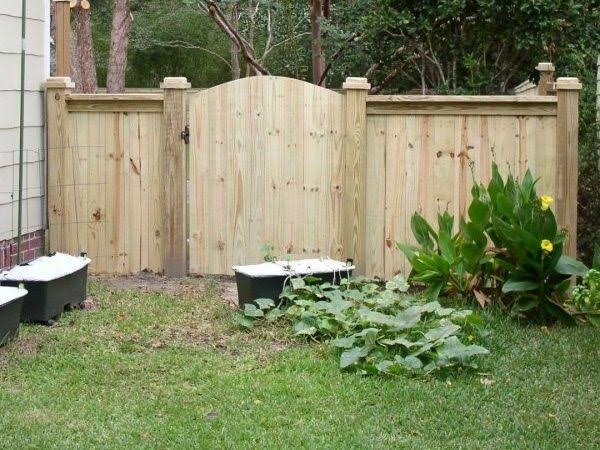
There’s a reason wood is still the go-to choice for backyards across the Tri-County area. A cedar or pressure-treated pine privacy fence gives you a solid visual barrier, softens outside noise, and frames a yard the way vinyl and metal just can’t match. It also tends to fit the architecture around here — a lot of Lowcountry homes, from historic downtown Charleston properties to newer builds in Nexton, look right at home with a wood fence rather than something more industrial.
The tradeoff is maintenance. Humidity and salt air are hard on wood, and a fence that isn’t sealed or stained on a regular schedule will gray out and start to warp faster here than it would in a drier climate. The fix isn’t complicated, though — a quality sealant, reapplied every couple of years, and pressure-treated or naturally rot-resistant wood like cedar go a long way. Homeowners who stay on top of that upkeep tend to get well over a decade out of a wood fence, and the payoff is a yard that feels private, finished, and genuinely welcoming.
Aluminum Fencing: Built for the Coast, Built to Last
For anyone who wants a fence and then wants to stop thinking about it, aluminum is usually the answer. It doesn’t rust, it doesn’t rot, and it shrugs off the salt air that eats away at other materials near Mount Pleasant, Isle of Palms, or anywhere else close to the water. That corrosion resistance is a real advantage in a region where humidity sits at uncomfortable levels for most of the year.
Aluminum also tends to be the material of choice when a pool is involved, since many South Carolina pool codes call for a fence that meets specific height and gap requirements — aluminum styles are built with those safety standards in mind while still keeping sightlines open. It won’t give you the same privacy as a solid wood fence, but for pool enclosures, front-yard boundaries, or anyone who wants their landscaping to stay visible from the street, it’s hard to beat. And because it holds up so well against the coastal climate, it’s often the more economical option in the long run once you factor in what wood maintenance would otherwise cost over the years.
Living Fences: A Lowcountry Alternative Worth Considering
Not every property boundary needs to be lumber or metal. A living fence — dense hedging like wax myrtle, Leyland cypress, or clumping bamboo planted in a row — is a genuinely popular option in this part of South Carolina, and it’s one that a lot of homeowners don’t think to ask about until they see it done well on a neighbor’s property.
The appeal is straightforward: a living fence grows more attractive over time instead of aging the way a built structure does, it can soften a hard property line, and it adds a layer of natural insulation and privacy that manmade materials can’t replicate. Wax myrtle in particular does well in Lowcountry soil and salt exposure, which makes it a smart pick for properties closer to the coast. The catch is patience — a living fence takes real time to fill in, and it needs regular trimming to stay dense and tidy. For homeowners willing to wait it out, though, it’s one of the more distinctive ways to define a yard in Charleston, Berkeley, or Dorchester County.
Matching the Fence to Your Property
There isn’t a single right answer for every yard. A young family in a Summerville subdivision with an HOA might land on a mid-height aluminum fence that meets neighborhood guidelines while keeping the pool visible from the kitchen window. A homeowner on a wooded lot outside Goose Creek might prefer the privacy and character of a wood fence along the back property line. Someone with a coastal-facing yard on Sullivan’s Island might lean toward a living fence or aluminum simply to avoid fighting salt corrosion every season.
What matters is thinking through how the yard actually gets used, how much upkeep a homeowner is realistically willing to put in, and what the local climate is going to do to the material over time. That’s the kind of planning FenceCraft walks through with homeowners across the Tri-County area — matching material, style, and budget to a property instead of defaulting to whatever’s easiest to install.
Getting Started
Whether the goal is privacy, security, curb appeal, or something that can handle a Lowcountry summer without complaint, FenceCraft works with homeowners throughout the Charleston Tri-County area to plan and install fencing that’s built for the coast, not just for the catalog photo. A conversation about the property — its soil, its exposure, its HOA rules, its actual daily use — is usually all it takes to land on the right fit.