Home Elevator Installation in West Ashley, SC: What Homeowners Should Know Before They Start
West Ashley homes come in more shapes than most people realize. Drive down Sycamore Avenue or through the older sections near the Ashley River and you’ll spot everything from raised-foundation cottages to two-and-a-half-story additions built onto ranch houses in the 1990s. That variety matters a lot when the topic turns to home elevator installation, because a lift that fits neatly into a Charleston single house downtown often has to be reworked completely for a West Ashley floor plan with a garage-level entry or a crawlspace foundation.
Why West Ashley Presents Its Own Challenges
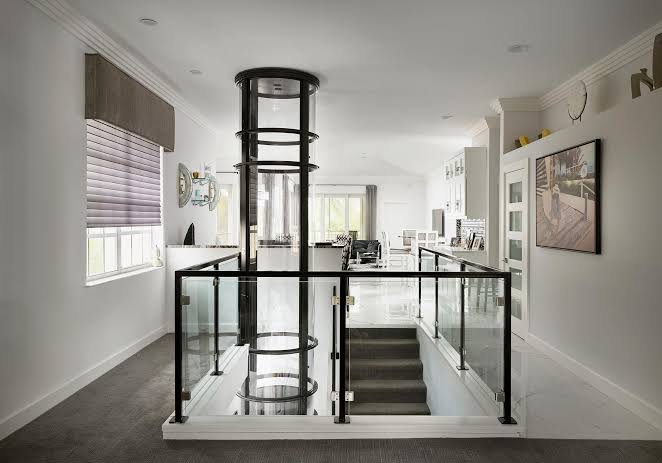
Charleston’s flood zones don’t stop at the peninsula. Plenty of West Ashley streets near Church Creek and the Stono River sit close enough to the water table that foundations get built up, and that changes the math for anyone installing a residential elevator. A pit-style hydraulic lift, which is common in drier inland markets, isn’t always practical here. Homeowners in this part of the Lowcountry frequently end up choosing pneumatic vacuum elevators or cable-driven models that need little to no pit excavation, largely because digging down even a couple of feet can hit standing groundwater.
Permitting is another local wrinkle. Charleston County and the City of Charleston handle residential elevator permits a bit differently depending on which side of Highway 61 a property falls on, and homes inside flood-hazard overlays sometimes need an elevation certificate before a permit gets issued. It’s the kind of detail that trips up out-of-town contractors who haven’t dealt with the county’s Building Services office before.
What the Installation Process Actually Looks Like
Most projects start with a site visit rather than a phone quote, and for good reason — a two-story addition with 8-foot ceilings needs a very different shaft configuration than an older home with 10-foot ceilings and a center staircase. During that visit, a good installer will check the structural framing around where the shaft is proposed, confirm there’s a clear path for electrical service, and measure for ADA-style clearances if the homeowner wants the elevator to double as a mobility solution down the road.
From there, the general sequence runs something like this:
- Structural assessment and shaft framing plan
- Electrical rough-in, which usually means a dedicated circuit from the panel
- Installation of the rail system, cab, and drive mechanism
- Safety testing, including emergency lowering and battery backup checks
- Final walkthrough with the local inspector before the unit is signed off for use
The whole process, once permits are approved, tends to run four to eight weeks depending on whether the home needs structural modifications or the shaft can be built into an existing closet stack or stairwell footprint.
Cost Expectations for the Charleston Area
Pricing swings quite a bit based on elevator type. Pneumatic vacuum elevators, which skip the pit and use air pressure to move the cab, generally land in the $35,000 to $50,000 range installed. Traditional hydraulic elevators with a shaft and pit can run higher once site work is factored in, especially if that groundwater issue mentioned earlier requires extra waterproofing or a sump system. Homeowners doing a full renovation sometimes fold elevator installation into a larger addition budget, which can actually save money since the shaft gets framed at the same time as the rest of the structure instead of being retrofitted afterward.
It’s worth noting that a home elevator is increasingly viewed less as a luxury item and more as a long-term accessibility investment. Aging-in-place planning has become a real driver of demand in West Ashley specifically, where a lot of residents are renovating houses they’ve owned for decades rather than moving to single-story homes elsewhere in the region.
Choosing an Installer Who Knows the Area
This is where local experience pays off. A company that has already pulled permits with Charleston County, dealt with a flood-zone elevation certificate, or worked around a raised-foundation crawlspace in West Ashley isn’t guessing at the process — they’ve solved these exact problems before. CHS Elevators is one of the residential lift companies working specifically across the greater Charleston area, including West Ashley, James Island, and Mount Pleasant, handling both new installations and retrofits into existing homes.
When vetting an installer, homeowners should ask a few direct questions: How many pits or shafts have they built in flood-prone soil? Do they handle the county permitting themselves or leave that to the homeowner? What’s the warranty on the drive system versus the cab finishes? And critically, who handles service calls once the unit is a few years old — some installers subcontract maintenance out to whoever’s available, while others keep it in-house.
A Few Practical Tips Before Signing a Contract
Get a written breakdown that separates equipment cost from labor and permit fees, since bundled quotes make it hard to compare bids apples to apples. Ask whether the quoted price includes the electrical panel work, because older West Ashley homes sometimes need a panel upgrade before an elevator circuit can even be added. And if the home sits in a flood zone, confirm upfront whether an elevation certificate is needed — chasing that paperwork after signing a contract only delays the project.
Home elevators aren’t a common purchase, so most people go through the process exactly once. Taking the time to understand how West Ashley’s soil, flood zones, and older housing stock affect the installation avoids surprises halfway through the project, and it makes the difference between a lift that fits the house and one that feels bolted on as an afterthought.