Why You Can’t Stop Snoring (And What Finally Works)
Somewhere around 2 a.m., one person in the bed is awake, staring at the ceiling, calculating how many hours are left before the alarm goes off. The other person is fast asleep, blissfully unaware of the noise rattling through the room. If that scene sounds familiar, you already know that snoring isn’t really a “you problem” or a “them problem.” It’s a household problem, and it tends to get worse the longer it’s ignored.
Snoring happens when the soft tissue at the back of the throat relaxes during sleep and starts vibrating as air squeezes past it. Gravity plays a role too — lying flat lets the tongue and soft palate drift backward, narrowing the airway even further. Add in a few extra pounds, a glass of wine before bed, allergy season, or just the natural loosening of muscle tone that comes with age, and you’ve got a nightly performance nobody signed up for.
The Real Cost of a Snoring Habit
It’s tempting to treat snoring as background noise, something to laugh off or drown out with a fan. But research on sleep fragmentation tells a different story. Even light snoring can pull a sleeper out of deep sleep dozens of times a night without them ever fully waking up. The result is grogginess that no amount of coffee quite fixes, a shorter fuse during the day, and — for the partner lying next to the noise — sleep that’s arguably worse than if they’d stayed up reading. Couples who sleep separately because of snoring aren’t being dramatic; they’re doing damage control.
Left alone, snoring rarely improves on its own. It tends to creep upward with age, weight changes, and the general wear and tear that throats go through over the years. That’s usually the point where someone starts typing “how to stop snoring” into a search bar at midnight, half-annoyed and half-desperate.
Why CPAP Isn’t Always the Answer
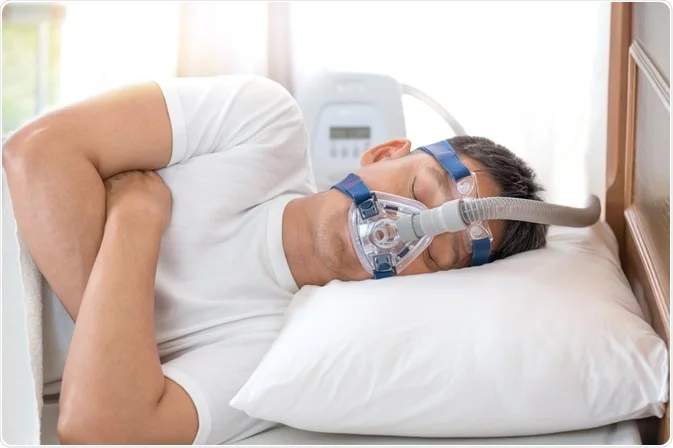
For people diagnosed with moderate to severe sleep apnea, a CPAP machine is genuinely life-changing — there’s no substitute for it in those cases, and anyone who suspects apnea (gasping awake, daytime exhaustion that won’t quit, a partner reporting pauses in breathing) should get evaluated by a doctor first. But plain old snoring, without apnea, is a different animal, and CPAP is a lot of machine for that job. The mask, the hose, the hum of the motor, the strap marks in the morning — plenty of people try it, hate it, and end up back where they started, minus a few hundred dollars.
That gap between “do nothing” and “strap on a CPAP” is exactly where mouthpiece-style anti-snoring devices live. They work on a simple mechanical idea: gently hold the lower jaw slightly forward so the tongue and throat tissue can’t collapse back and block the airway. No motor, no mask, no cord running to an outlet.
Where Snorple Fits In
Snorple is one of the better-known options in this category, and it’s worth understanding why it’s built the way it is. Rather than a single rigid piece, it combines a mandibular advancement design with a tongue-stabilizing element, addressing two of the most common physical causes of snoring at once instead of betting on just one. That dual approach is part of what sets it apart from the more basic boil-and-bite mouthguards sold at the drugstore.
Fitting matters enormously with any oral device, and this is where a lot of cheaper alternatives fall apart — literally. A mouthpiece that doesn’t fit snugly will either fall out mid-sleep or feel so uncomfortable that nobody wears it past night three. This one uses a custom boil-and-bite fitting process at home, so the final shape is molded to the wearer’s own teeth and bite rather than a generic size. People who’ve struggled with off-the-shelf mouthguards in the past often notice the difference immediately — it simply stays put.
The other detail worth mentioning is adjustability. Jaw advancement isn’t one-size-fits-all; too little and the airway stays partly blocked, too much and the jaw muscles ache by morning. Snorple allows the degree of advancement to be adjusted in small increments after the initial fitting, which means the device can be fine-tuned over the first few weeks instead of locking a sleeper into a single setting that might not be quite right.
What to Expect in the First Few Weeks
Nobody sleeps perfectly on night one with a new mouthpiece in — there’s usually a short adjustment period where the jaw and gums get used to the sensation. Most people report that this settles within a week or two, especially once the fit has been dialed in. A little jaw soreness in the early mornings is normal and typically fades as the muscles adapt; if it doesn’t, backing off the advancement setting slightly usually solves it.
It also helps to set expectations with whoever’s sharing the bed. A device like this doesn’t eliminate every trace of noise on the first night — it reduces the vibration that causes snoring, and for most users that reduction is dramatic enough that partners notice within days. Keeping a simple log (even just a note on the phone: “quiet night” or “still loud”) for the first two weeks makes it much easier to tell whether adjustments are working.
Beyond the Mouthpiece: Habits That Help
A device works best alongside a few basic sleep habits. Sleeping on your side rather than your back keeps gravity from pulling the tongue backward. Cutting off alcohol a few hours before bed avoids the extra muscle relaxation that makes snoring worse. Keeping the bedroom air from getting too dry — a humidifier does the trick in winter — reduces the throat irritation that can amplify snoring. None of these replace a mouthpiece on their own, but combined with one, they tend to compound the improvement.
Making the Decision
If snoring has become a nightly fixture in your house, the honest first move is ruling out sleep apnea with a doctor, especially if there’s daytime fatigue that feels out of proportion to the hours slept. Once apnea is off the table, a fitted mandibular device is a reasonable, low-commitment place to start — no prescription, no machine to maintain, and a fitting process that happens in your own kitchen rather than a lab. For a lot of couples, it’s the difference between two people quietly getting through the night and one of them counting ceiling tiles until sunrise.
Snoring feels like a small thing until you’ve lived with it for a year. It isn’t just noise — it’s interrupted sleep, a groggy morning, and sometimes a slow erosion of shared space between two people who used to just fall asleep next to each other without thinking twice. Whether the fix ends up being a side-sleeping habit, a humidifier, or a properly fitted device like Snorple, the goal is the same: quiet nights, rested mornings, and a bed that feels shared again instead of contested.